If instead it described rain fallen on dark soil, one pale flower where no one would believe a seed had ever fallen —where granite clasts —broken through —are so slightly proud
and if this fiction weren’t actually about forgetting or ignoring, but rather about finding —just the one tender fact
—that stone awash in a turbulent stream —to take it up, only to weigh it in your hand.
Ask again for that morning, the sun not risen yet,
the radio on the counter drones and whines and squeals seeking signal.
Look out the kitchen window, past the sink, still with its last-night dishes, across the misty yard
to that thin strand of woods then the grassy playing field just beyond.
The static calms now, noise becomes music. Ray Charles sings of—Grace —Brotherhood —America, America about loving —mercy more than life.
Naked from the waist, my father, readied for his morning shave, leaves hot water running in the basin,
steps from the hall bathroom to join me in the moment’s majesty, looking out, watching that still lightless field —everyone else in the house so safely sleeping.
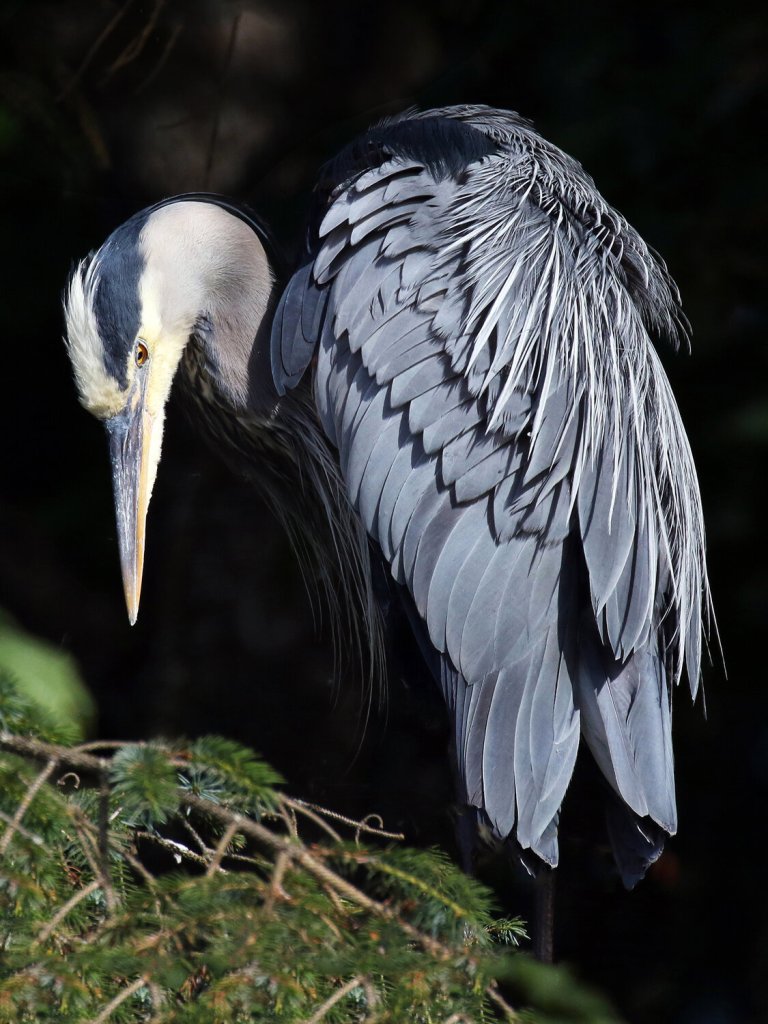
As Heron appeared it was already leaving. Maybe I am the one that scared it from its place in among the river birch and undergrowth, the banks this side of the river.
Maybe I can look at what I once wrote thinking you —always thinking you— would read it.
I told a friend about this hollow feeling, feeling like the residue left inside a lost wax mold. Something about about fire, about wanting to be burned away.
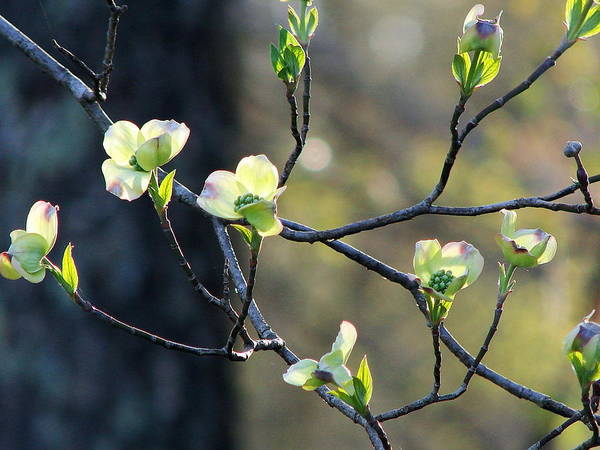
The day your father was born, one thousand miles away, his grandfather walked out into the woods behind his house and cut a small dogwood branch with the perfect y-shaped fork
for a slingshot. He would use rubber laboratory tubing for bands, an old leather scrap for the pocket. Like with anything and everything he’s ever made
by hand, your great-grandfather took his time on each detail—where leather fastened to the bands, and each band to the wood. I can see him now,
when the notion first came to him, setting off with his work gloves and a pruning shears, already one particular branch in mind for the project.
It was Christmas when that slingshot arrived in a box of other presents sent for the newborn’s first holiday. It wasn’t wrapped like the other things. There was just a yellow post-it note with your father’s name written in your great grandfather’s hand.
That day the river will be full again —an ample cup to sip. We’ll watch the heron make his careful way along the banks like he’s looking for a coin that fell from his pocket. I will have perfected my prayers and ask for nothing.
It’s early in the morning, the last days of April. I write you now that the weather’s improving. Spring’s seeming late this year, the skies have been darker. You’ll not come back here, I know.
Those songs I collected that insulted California, they were never intended to change your mind.
I’m told that you wept last time you called. Another courageous decision you made. What can I tell you that you don’t already know? Courage is rough on the brave.
I see you there with the flowers and light that you’ve found, your drive across the desert your lover beside you — what more could I wish for you? — what more could I give?
I’m thinking of another song right now born out of a more complicated love than mine. It’s just that sometimes it’s easier to misappropriate a line even as it guesses wrong colors how I — miss and — forgive you, can confess of my faults, how with that off my chest I could send this without the slightest grain of salt.
Those songs I collected that insulted California, they were never intended to change your mind.
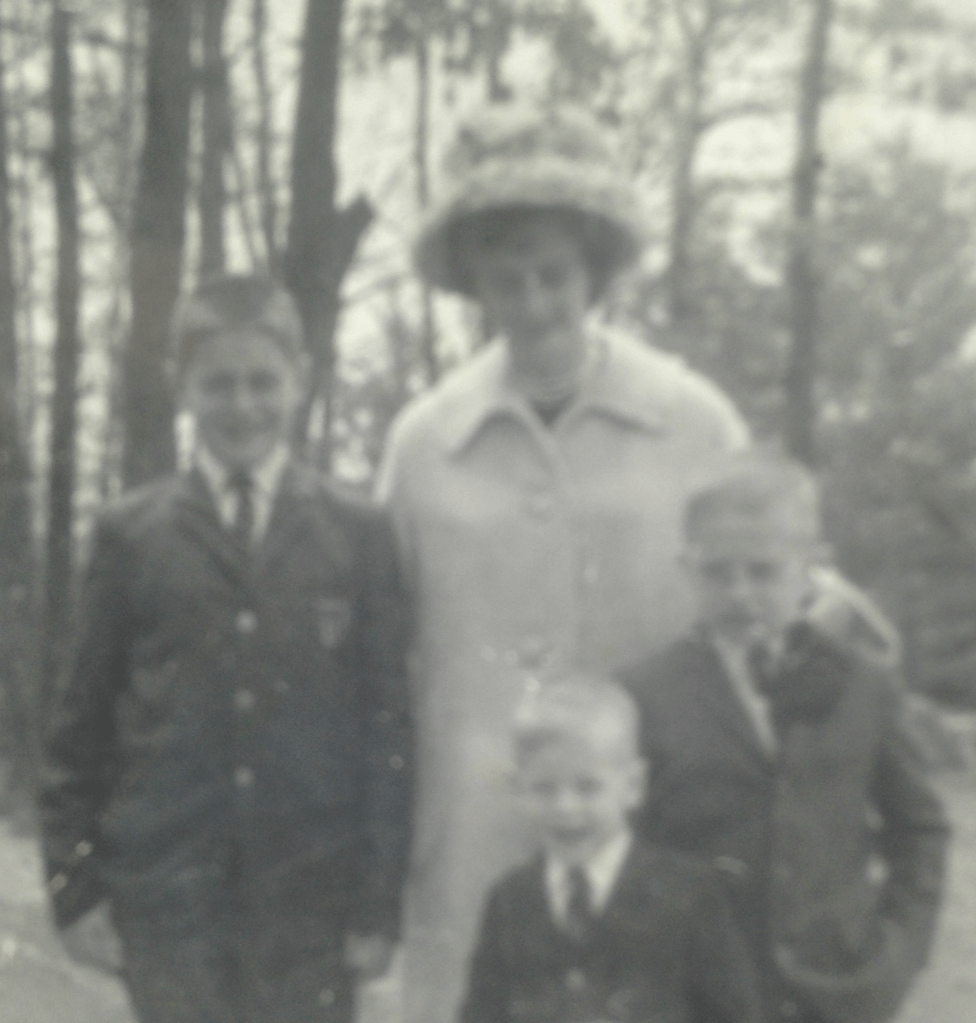
The young man is pleased with his haircut and the new blue shirt bought special for the day—its fabric smooth, heavy for nearly summer. The collar folds loose at the neck, even with the top button buttoned. One shirttail turns out to show its thin white hem. He’s clasped his hands behind his back —composes himself swell-chested, proud. This is not a smile. There wells in him an awareness more than he can bear—where he has been —where he is going —there is just too much —too much —more than he can bear.
They can wander in forgetting, confused— I suppose it’s me. I’m the one confused —time folds so strangely. Often the talk is of trivialities:
some household chore I ought to attend to, sports or politics. My father and I sit at that kitchen table as we did and tell the same stories to each other
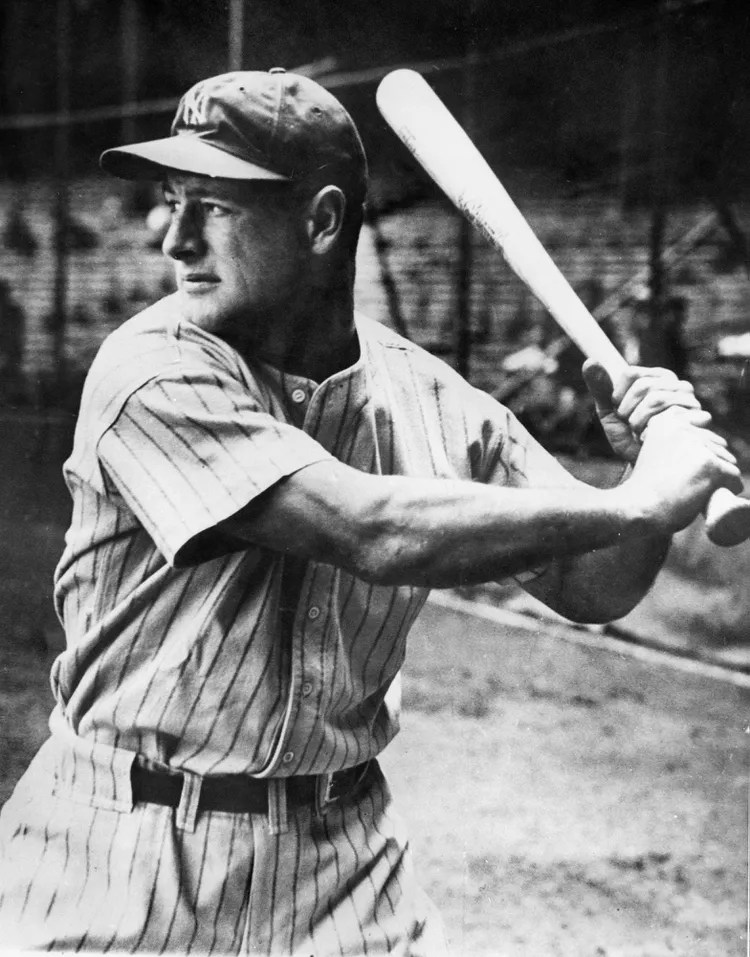
we always told, pretending them new each time. Dad has that one about Carl Yastrzemski, how after a bogus called third strike Yaz calmly bent down and covered home plate with dirt and walked away,
never turning to acknowledge the enraged umpire ejecting him from the game. We laugh, smile sharing that moment again. And then I try to tell him about 2004,
how I’d thought it might be the sweet gesture when I brought the sports pages and an old Sox cap to the graveside the morning after they’d finally won it all.
You’d have loved to see it, Dad.
I looked out across the cemetery hill. Hundreds of others had done the same —baseball caps, pennants, mylar balloons, catching the clear, tired light of October morning —all so sweetly telling the dead.
As the last poets ran long, I’d resigned to not reading at all. Time was short. Others needed the studio at a fixed time.
It’s in this confusion, perhaps, some aspect of my defense left mistakenly and waited outside in the parking lot, leaned against the car smoking hand rolled cigarettes —some such ghost, gone. And I did have my turn at the microphone, camera light blinding me. This other spirit arrived to catch the words in my throat.
I heard my own voice sound that last warped note you hear from a broken guitar string.
I did not weep. I promise you that much, my brother, but you were in that room. And something so suddenly, achingly, finally was said then and there