It’s early in the morning, the last days of April. I write you now that the weather’s improving. Spring’s seeming late this year, the skies have been darker. You’ll not come back here, I know.
Those songs I collected that insulted California, they were never intended to change your mind.
I’m told that you wept last time you called. Another courageous decision you made. What can I tell you that you don’t already know? Courage is rough on the brave.
I see you there with the flowers and light that you’ve found, your drive across the desert your lover beside you — what more could I wish for you? — what more could I give?
I’m thinking of another song right now born out of a more complicated love than mine. It’s just that sometimes it’s easier to misappropriate a line even as it guesses wrong colors how I — miss and — forgive you, can confess of my faults, how with that off my chest I could send this without the slightest grain of salt.
Those songs I collected that insulted California, they were never intended to change your mind.
They shuffle in wearing ill-fitted shoes polished to a mirror like sheen. black laces pulled tight as they can be pulled still leave their feet loose within; folded inside, otherwise useless, documents tucked as wadding in around the ankle: maybe that memo no one wanted to read or would ever admit to reading, even seeing, a projection of death tolls and popularity across the horizontal axis of time. One sits, crosses his legs such that skin shows above his thin black socks, wiry hair on his shin. That joke about the indolent tailor and his hapless client comes to mind —poor man, but doesn’t the suit fit nice?
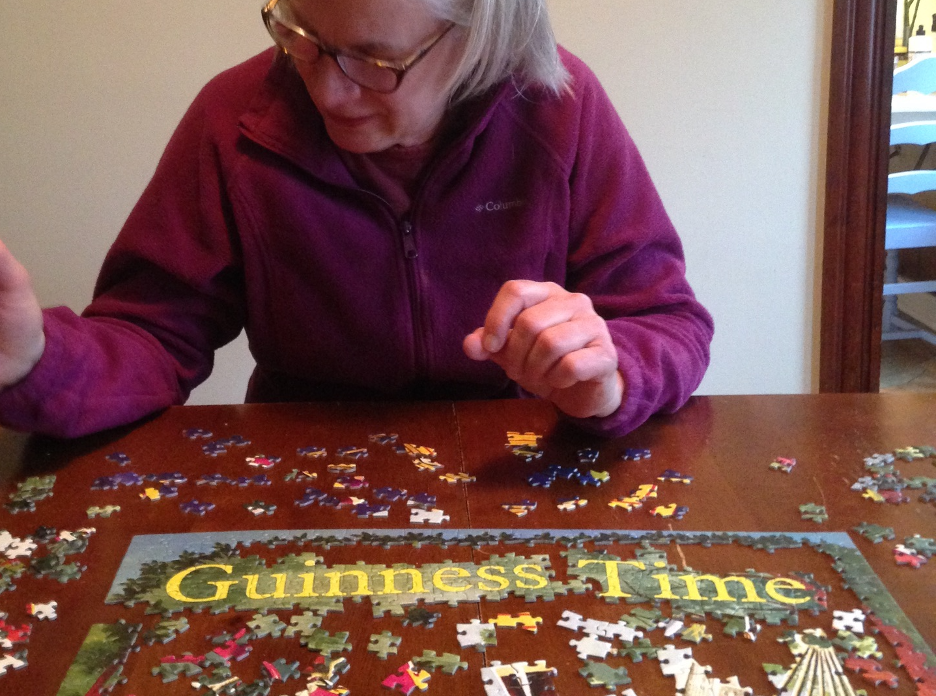
The puzzle’s large enough —the image that of a sweet, sunny summer afternoon: a man lazes in a hammock wearing a paper hat and drinking a pint glass of Guinness Stout, an advertisement from 1960.
When was it? —just the other day we found ourselves explaining the same thing to each other about that balance one needs to strike between aching for that one piece you need to find, convincing yourself it’s lost or doesn’t exist, then go-finding some other fitting shape given up on previously, how you claim finding —that— your due reward for genius not luck—how ten more pieces then fall into place so effortlessly.
The art of this process: pressing then not pressing for result.
Soon we’ll likely finish; might leave the thing out a day or two. Then it will be put back in the box, broken down again into a thousand pieces.
I mention this at breakfast and, before I can tell her I’ve made the same connection, she compares this to the way those Buddhist monks regathered the sand painting they’d done: an intricately patterned mandala composed, grain by colored grain. Weeks of work; we’d watched them at it then the ritual when finished: sand swept into a bucket, carried in solemn procession across the college campus to the edge of a pond. Unintelligible prayer-chants, then silence. The sand thrown in clouds over the water. A whispering sound as each particle struck the water’s surface. —kiss—kiss—kiss— My mother’s old wry line comes to mind. “Kiss it up to God,” she’d say. —kiss—kiss—kiss—
It was advice about disappointment, I think, about letting it go, or accepting it, usually meant more as humor than wisdom.
“Kiss it up to God.”
I hear her voice and wonder if I’ll find the place for that to fit.
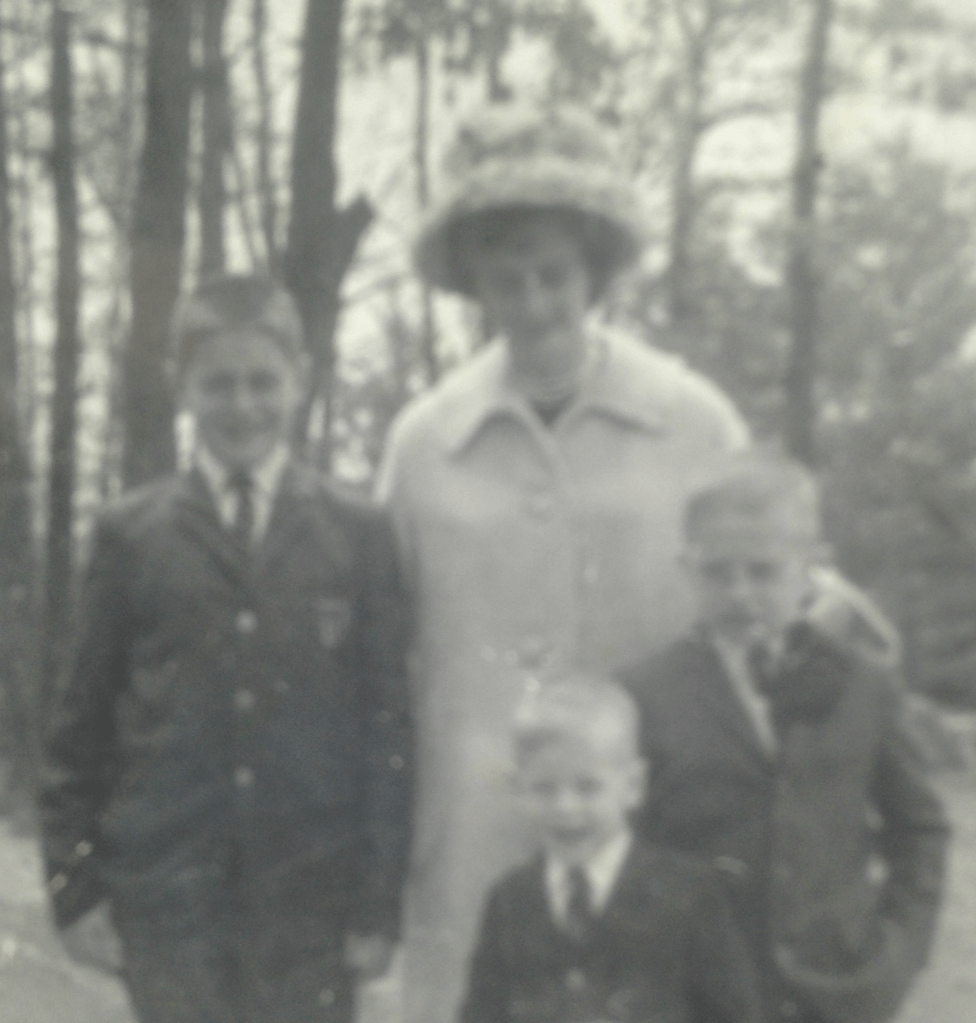
We’d’ve come stumbling from our beds, your boys, half naked and shivering to brave that slick steep stair in stocking feet knowing you waited below by that folding metal ironing board with its worn silver-cloth cover, the padding torn, the surface scorched in places, blackened, burned through. For each of us it was the same: that humid gasp and sigh as the iron was turned upright weight of it placed in precarious balance; you’d hand us the scalded grey flannel trousers we were to wear that day and each knew that pleasure as his own: the warm cloth on cool skin— each received this sensual gift no matter his history. There was no sin particular to any one or the other of us.
If instead it described rain fallen on dark soil, one pale flower where no one would believe a seed had ever fallen —where granite clasts —broken through —showed so slightly proud
and if this fiction weren’t actually about forgetting or ignoring, but rather about finding —just the one tender fact
—that stone awash in a turbulent stream —to take it up, only to weigh it in your hand.
Ask again for that morning, the sun not risen yet,
the radio on the counter drones and whines and squeals seeking signal.
Look out the kitchen window, past the sink, still with its last-night dishes, across the misty yard
to that thin strand of woods then the grassy playing field just beyond.
The static calms now, noise becomes music. Ray Charles sings of—Grace —Brotherhood —America, America about loving —mercy more than life.
Naked from the waist, my father, readied for his morning shave, leaves hot water running in the basin,
steps from the hall bathroom to join me in the moment’s majesty, looking out, watching that still lightless field —everyone else in the house so safely sleeping.
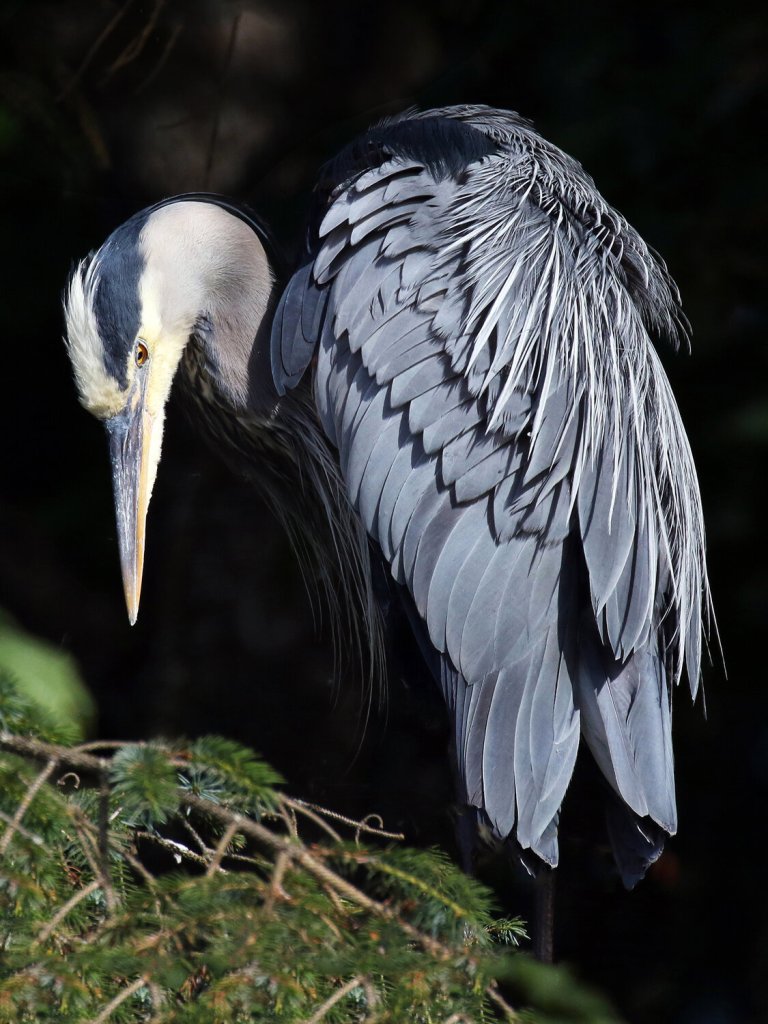
As Heron appeared it was already leaving. Maybe I am the one that scared it from its place in among the river birch and undergrowth, the banks this side of the river.
Maybe I can look at what I once wrote thinking you —always thinking you— would read it.
I told a friend about this hollow feeling, feeling like the residue left inside a lost wax mold. Something about about fire, about wanting to be burned away.






 Tom Driscoll Writing